The Kenyan Shilling is facing a troubling depreciation as the once-mighty currency loses its purchasing power. In a stark illustration of the ongoing economic challenges facing the nation, a Kenyan who had Sh1,000 to spend in October last year would find themselves able to purchase goods worth only Sh850 today.
Several factors, including inflation, a weakening currency, and increased taxes, have combined to deal a blow to the buying power of the Kenyan Shilling.
Inflation Bites: One of the primary culprits behind this dramatic reduction in purchasing power is inflation.
In October of the previous year, a consumer with a Sh1,000 note could afford a certain basket of goods and services.
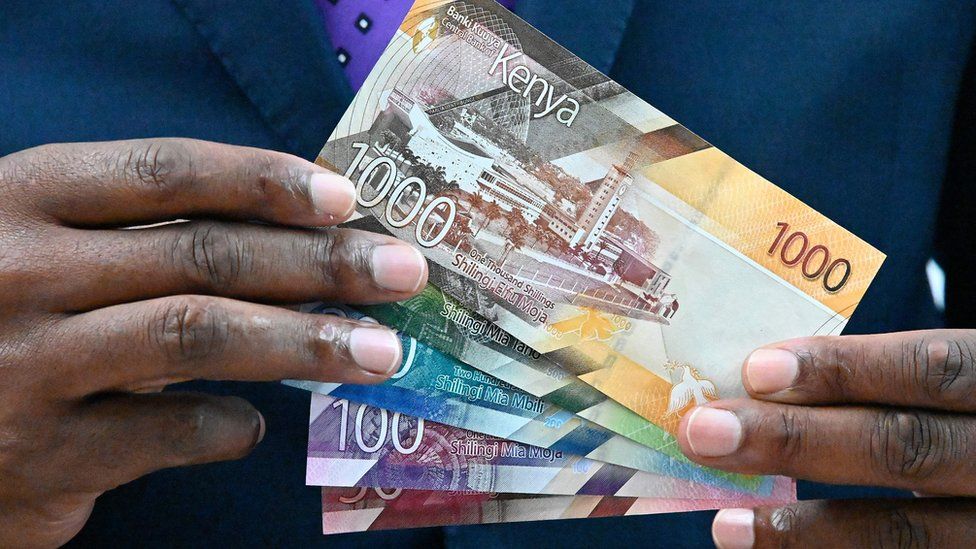
However, with the gradual and persistent rise in prices across various sectors of the economy, that same Sh1,000 note can now only stretch to cover Sh850 worth of those same goods and services.
This is an alarming trend that is affecting the wallets of everyday Kenyan citizens.
Currency Weakens: The Kenyan Shilling, like many emerging market currencies, has been under pressure, and its value against major international currencies has weakened. A weaker currency means that imported goods and services become more expensive, further driving up costs for consumers.
Taxation Burden: In addition to these factors, increased taxes have also played a part in eroding the shilling’s buying power. As the government grapples with revenue generation and expenditure, various tax adjustments have been introduced, adding a heavier financial burden on consumers. This, in turn, contributes to the shrinking value of the Kenyan Shilling.

Consumer Concerns: With the shrinking value of the Kenyan Shilling, consumers are feeling the pinch. Household budgets are under strain as individuals grapple with reduced purchasing power. In this challenging economic environment, many are being forced to cut back on non-essential spending and make difficult choices about their financial priorities.
Government Response: The government has taken notice of the deteriorating value of the Kenyan Shilling and its impact on the population. Various policy measures and economic reforms are being considered to mitigate the effects of these factors.